
In the dynamic landscape of digital marketing, two strategies stand out: Search Engine Optimization (SEO) and Pay-Per-Click (PPC) advertising. For UK businesses aiming to maximize their online presence and drive traffic, the choice between these two methods can be challenging. Each approach has its own merits, costs, and outcomes. In this article, Designs Spartan we will look into the world of SEO and PPC, exploring their differences, advantages, and suitability for UK businesses.
SEO:
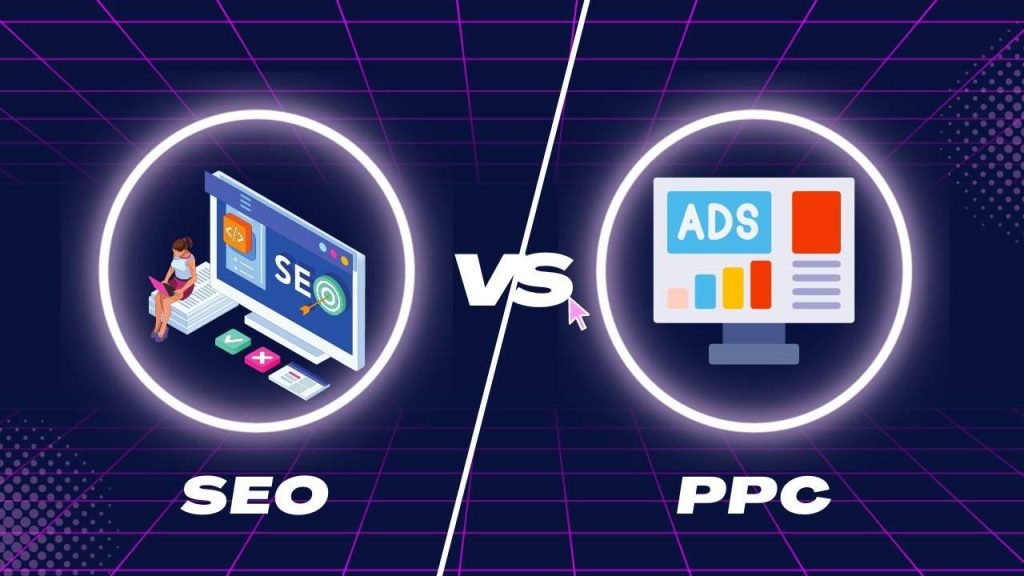
Search Engine Optimization (SEO) is the practice of optimizing your website’s content, structure, and technical aspects to rank higher in organic search results. It involves using relevant keywords, creating high-quality content, building backlinks, and ensuring a user-friendly experience. SEO’s strength lies in its long-term benefits, as higher organic rankings can lead to consistent and sustainable traffic. While it requires patience and time to see significant results, the investment can pay off with increased visibility and credibility, especially for UK businesses targeting local audiences.
PPC:
Pay-Per-Click (PPC) advertising, on the other hand, is a method where businesses place ads on search engines and pay a fee each time their ad is clicked. In the UK, Google Ads is a popular PPC platform. PPC offers instant visibility, making it an ideal choice for businesses seeking immediate results or those operating in competitive industries. With PPC, you have precise control over targeting, ad copy, and budget allocation. This can be particularly advantageous for UK businesses looking to promote time-sensitive offers or reaching a global audience.
Advantages of SEO:
SEO presents several advantages for UK businesses. It builds a strong online foundation that improves website credibility and authority over time. Organic search results are trusted by users, making them more likely to click on your website. Additionally, once your website ranks well, the ongoing traffic doesn’t incur extra costs, unlike PPC. For local UK businesses, SEO can drive foot traffic by optimizing for location-based searches. It’s a valuable strategy for long-term success, establishing your brand as a reliable source in your industry.
Challenges of SEO
While SEO services offers impressive benefits, it’s not without challenges. Achieving a high rank requires time and patience. UK businesses must contend with a competitive online environment, making it harder to quickly climb the rankings. Moreover, search engine algorithms frequently change, demanding continuous adjustments to your strategy. SEO also demands a deep understanding of on-page and off-page factors, technical optimizations, and quality content creation. This can be resource-intensive, especially for smaller businesses with limited manpower.
Advantages of PPC:
PPC offers its own set of advantages tailored to the needs of UK businesses. It provides instant visibility at the top of search engine results pages, ensuring your brand gets noticed promptly. With PPC campaigns, you have control over ad spend, allowing you to set a budget that aligns with your financial capacity. For UK businesses aiming to test different marketing strategies or reach specific demographics, PPC provides precise targeting options. Moreover, PPC platforms offer detailed analytics, allowing you to measure the effectiveness of your campaigns and make real-time adjustments.
Challenges of PPC
PPC, while effective, comes with its own set of challenges. The cost can be prohibitive, especially for competitive keywords. UK businesses often bid against each other, driving up the cost per click. This makes managing your budget crucial to avoid overspending. Moreover, PPC results are short-lived. Once you stop paying for ads, your visibility diminishes instantly. Ad fatigue is another concern; users might overlook your ad if they repeatedly see it. Crafting compelling ad copy is vital, and a poorly optimized campaign can lead to high costs without significant returns.
Considerations for UK Businesses:
The effectiveness of SEO vs. PPC for UK businesses depends on various factors. SEO requires patience and consistent effort to yield results, which might not suit businesses in need of immediate outcomes. On the other hand, PPC can become costly if not managed well, and its results cease when the budget is exhausted. UK businesses with smaller budgets might find SEO more feasible, as it provides long-lasting benefits without a continuous financial commitment. It’s essential to align your choice with your business goals, budget, and target audience for optimal results.
Keyword Competition
The competitiveness of keywords in your industry matters. If your business operates in a niche with high competition, breaking into the top SEO rankings might be challenging and time-consuming. In such cases, PPC can provide a quicker solution for gaining visibility. On the other hand, if your industry has less fierce competition, investing in SEO could yield faster and more cost-efficient results.
User Behavior and Trust
Understanding user behavior is crucial when deciding between SEO and PPC. Users often trust organic search results more than ads, as they perceive them as unbiased. SEO’s organic nature can establish a strong foundation of trust with your audience, leading to higher click-through rates and conversions. On the other hand, PPC ads might be viewed with skepticism, especially if users are aware that they are paid placements. Consider your target audience’s behavior and preferences when choosing between the two strategies.
Adaptability and Agility
The digital landscape is ever-evolving, and your marketing strategy must keep pace. PPC offers the advantage of adaptability and agility. You can quickly modify ad campaigns, targeting, and budgets to respond to market changes. This is especially beneficial for UK businesses operating in dynamic industries where trends shift rapidly. SEO changes take longer to yield results and can be affected by algorithm updates. If your business demands the ability to pivot swiftly in response to market shifts, PPC might provide the agility you need to stay competitive.
Measuring Success and Analytics
Measuring the success of your marketing efforts is essential for refining your strategy. PPC offers robust and immediate analytics, allowing you to track clicks, conversions, and ROI with precision. This data helps in optimizing campaigns for better performance. On the other hand, while SEO might take time to show results, tracking tools provide insights into keyword rankings, organic traffic, and user engagement. Both strategies offer valuable metrics, enabling you to make informed decisions and adjust your approach as needed to achieve your business objectives effectively.
Conclusion:
In the realm of digital marketing, both SEO and PPC offer valuable tools for UK businesses to enhance their online visibility. SEO lays the foundation for lasting organic growth, reinforcing credibility and authority over time. On the contrary, PPC offers instant prominence, making it a go-to for immediate results and focused targeting. The choice between the two depends on factors like budget, timeline, and business objectives. Often, a balanced strategy combining both methods can yield the best results, catering to the short-term needs of PPC and the long-term benefits of SEO.